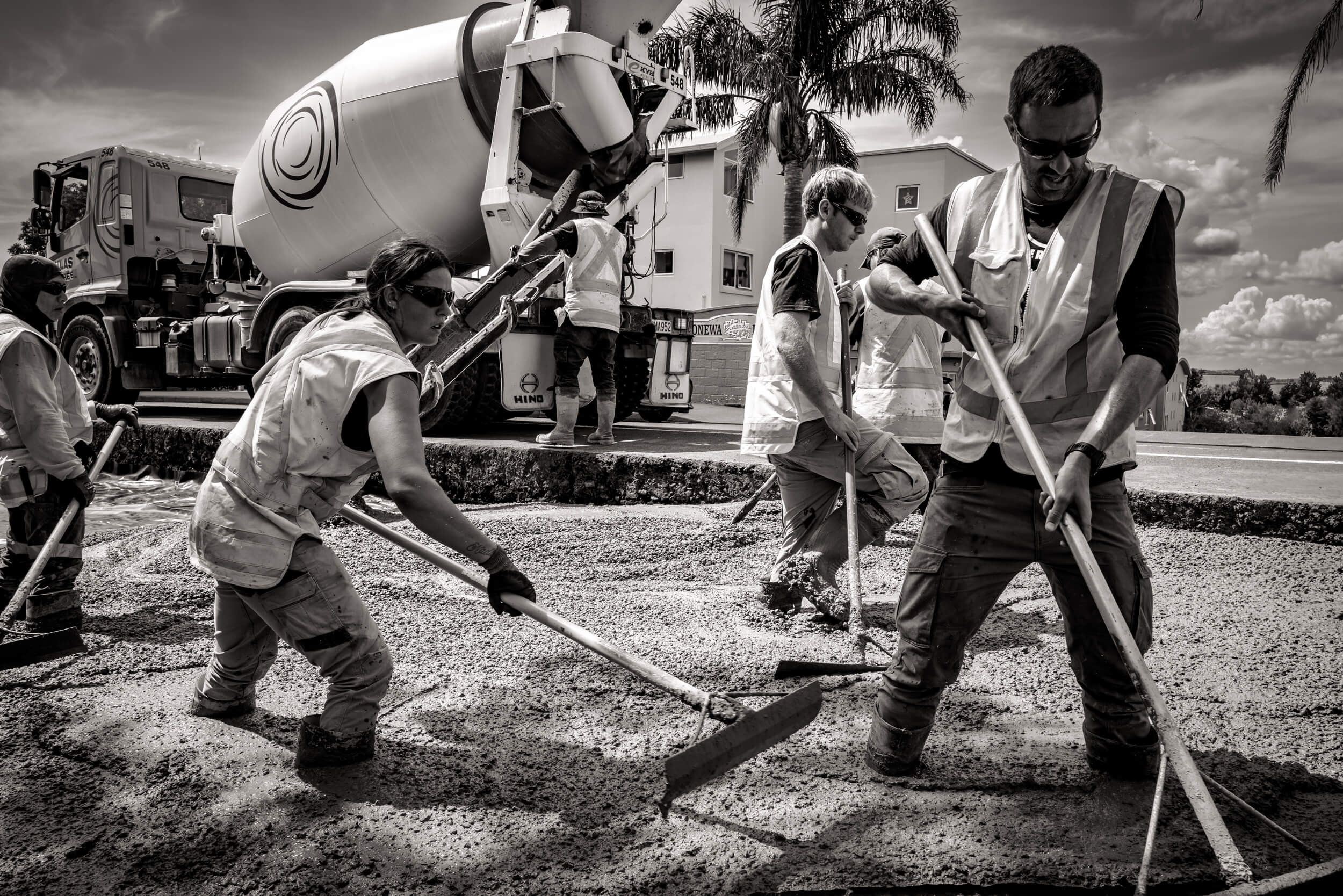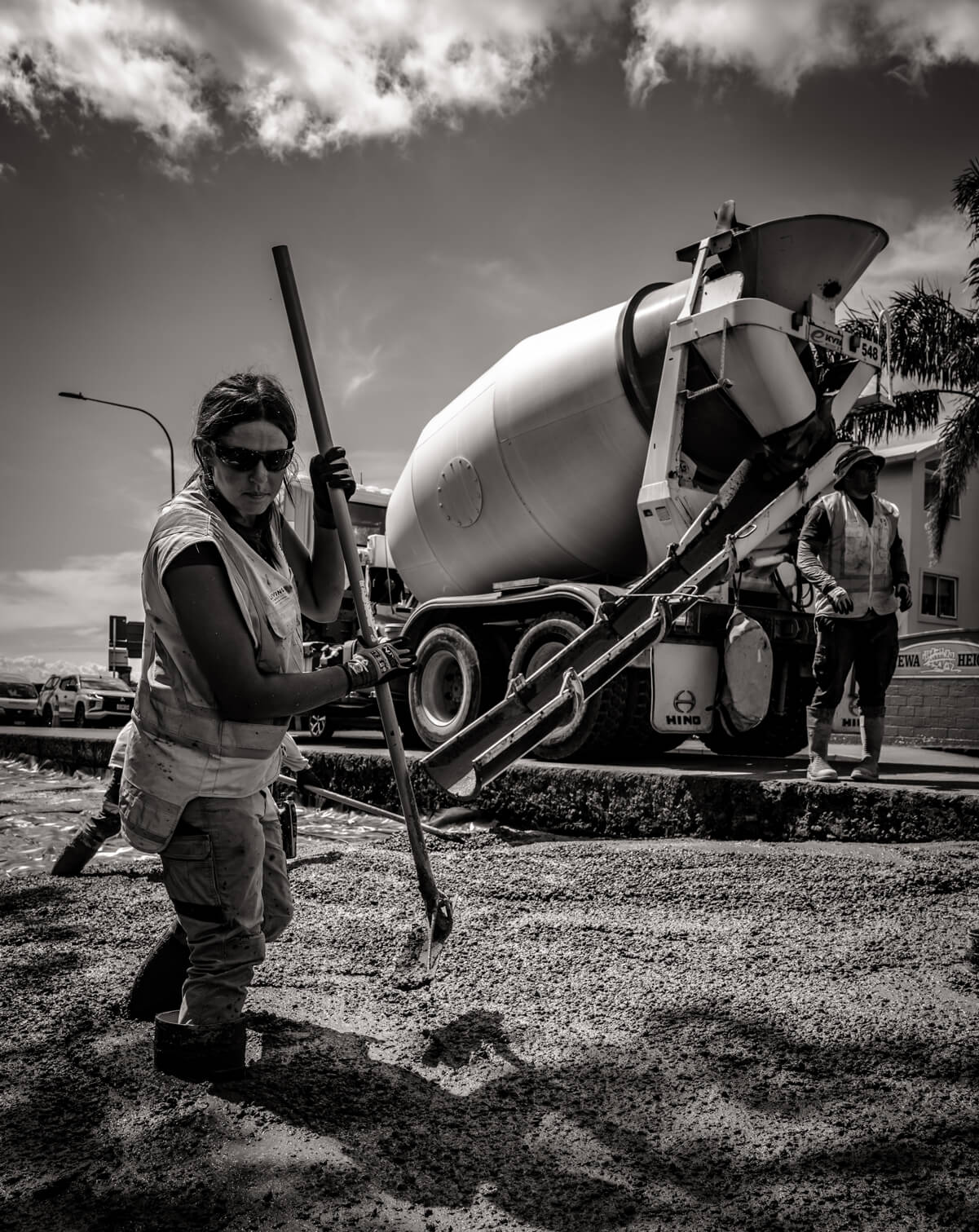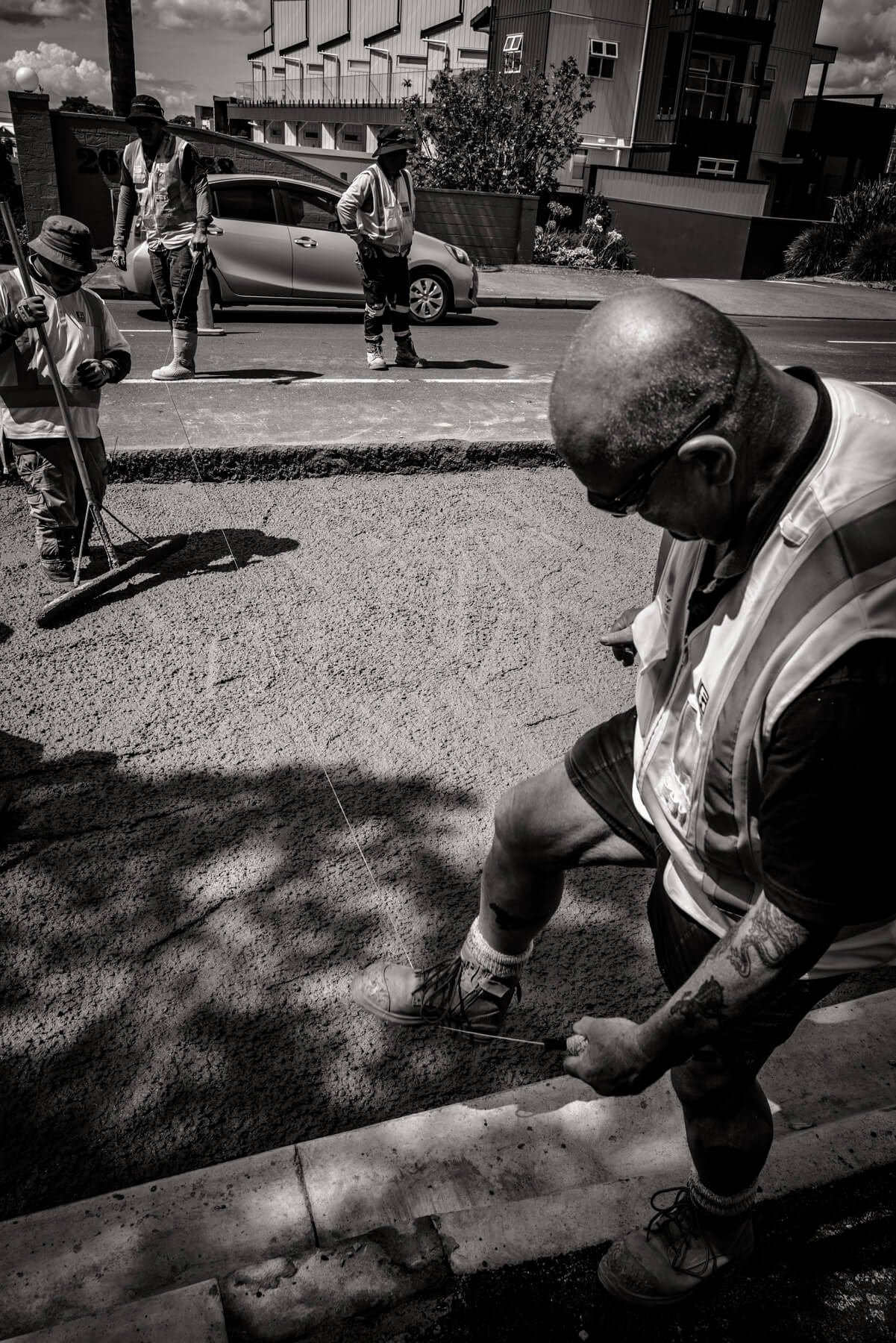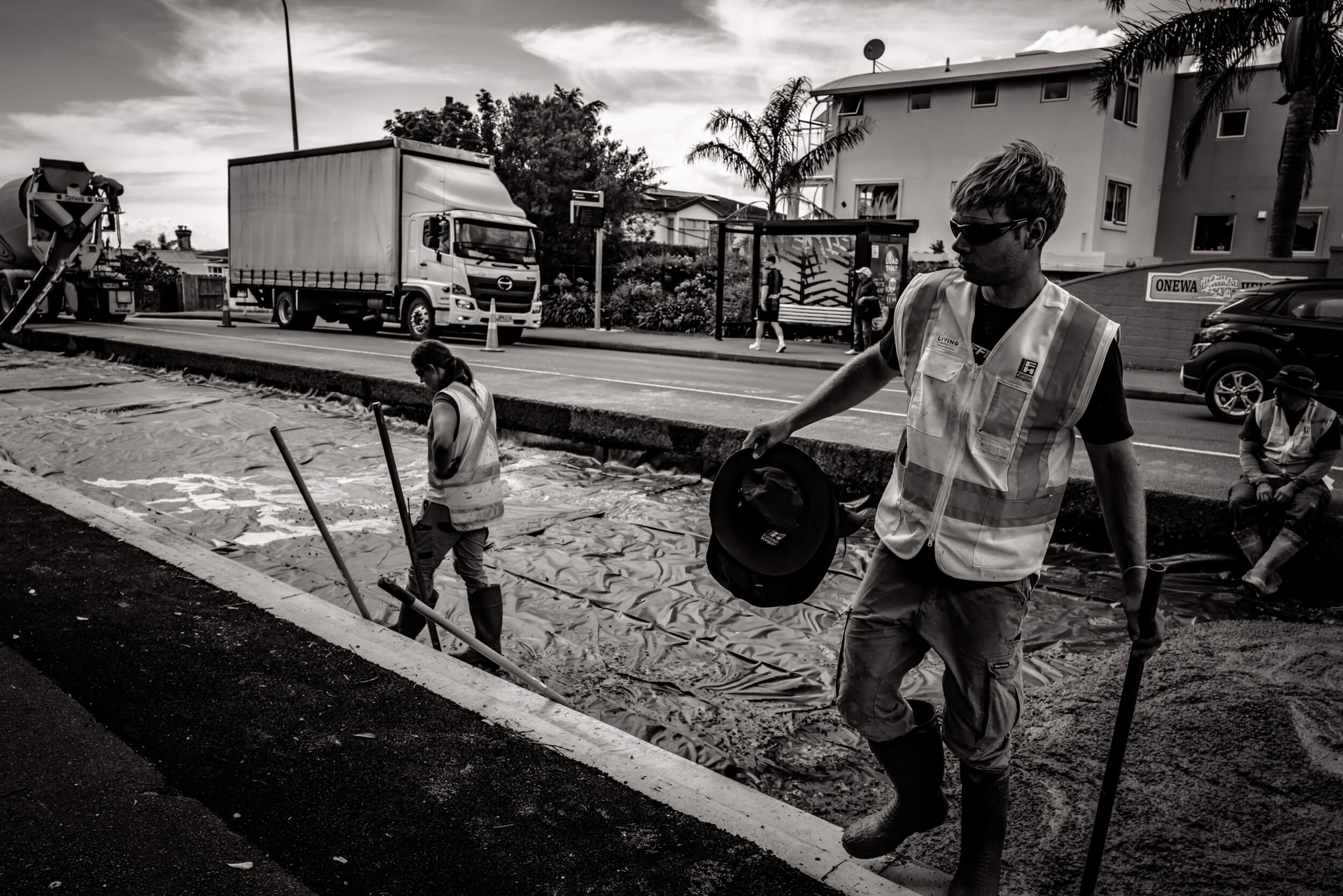
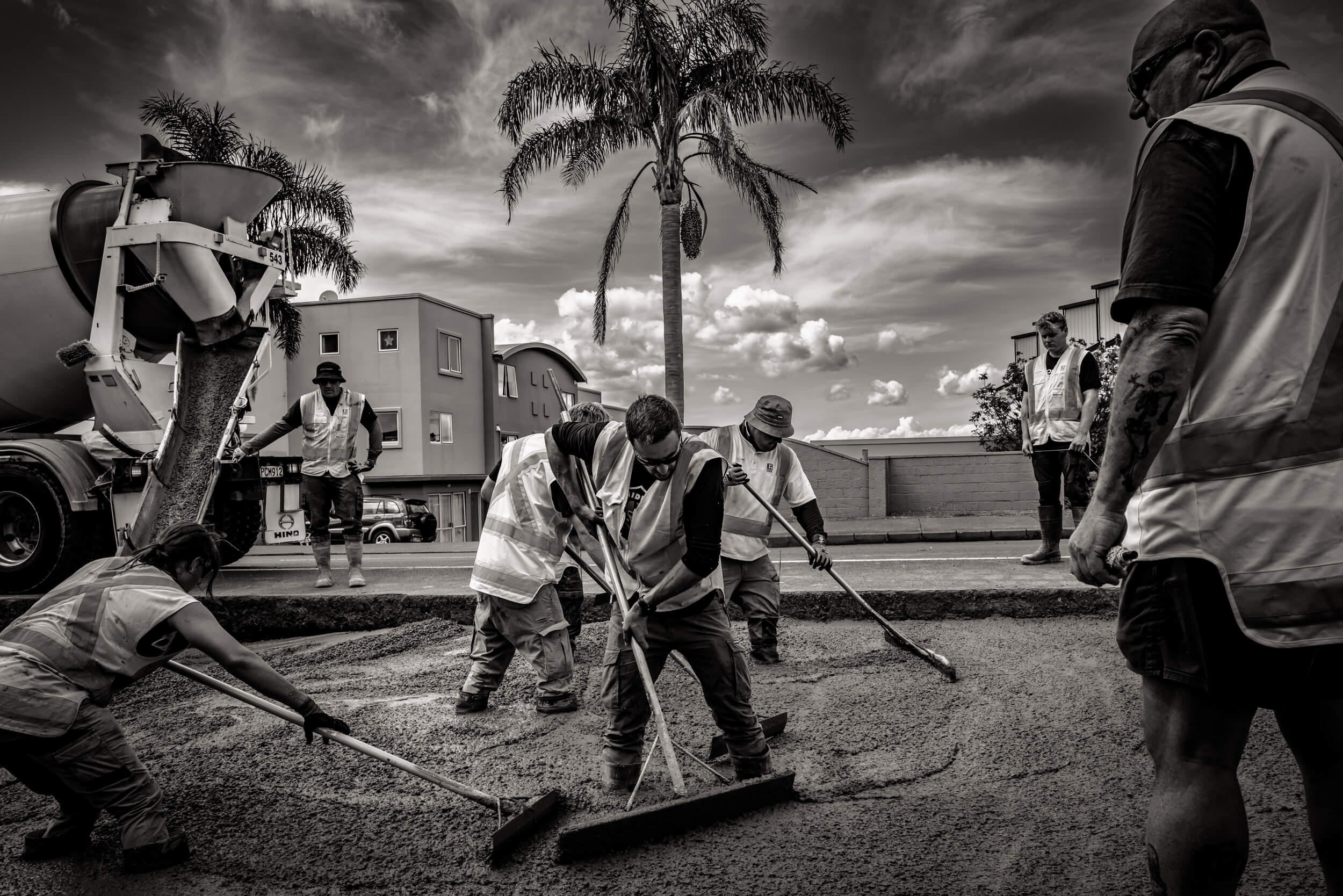
The ground is excavated and compacted. Quarried crushed rock (aggregate) is often mixed with water and a small amount of cement (stabilised pavement) to create a strong, uniform foundation.
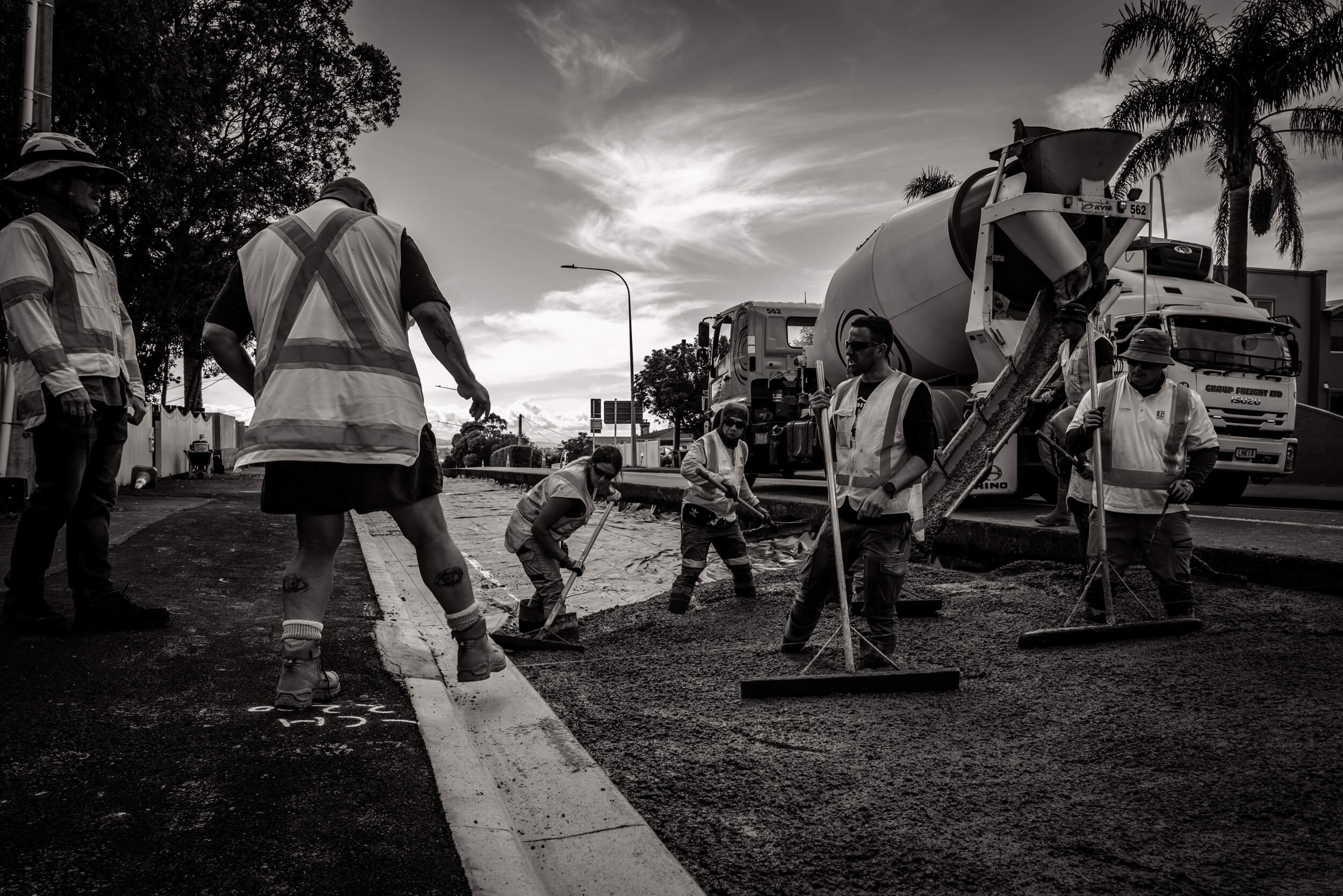
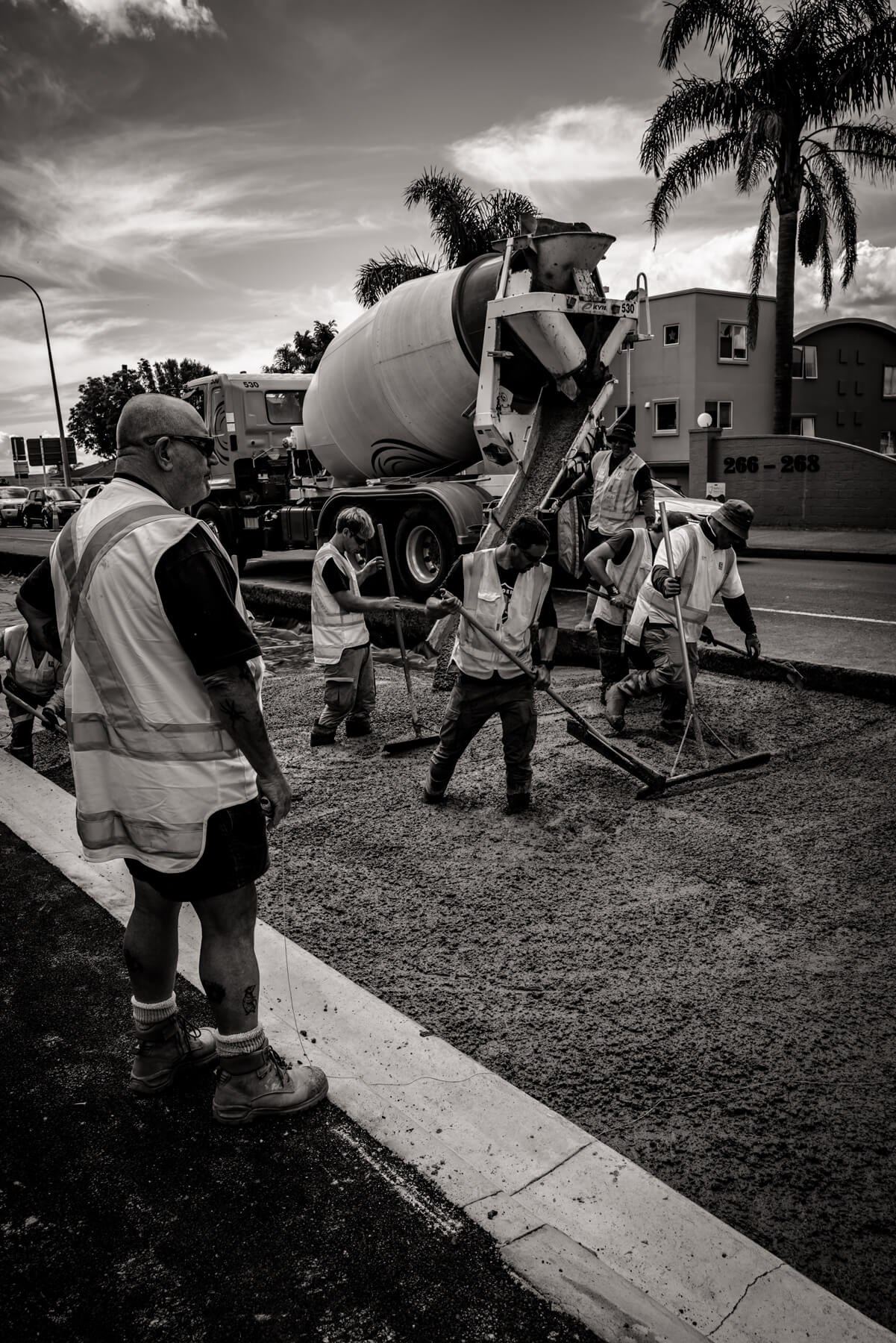
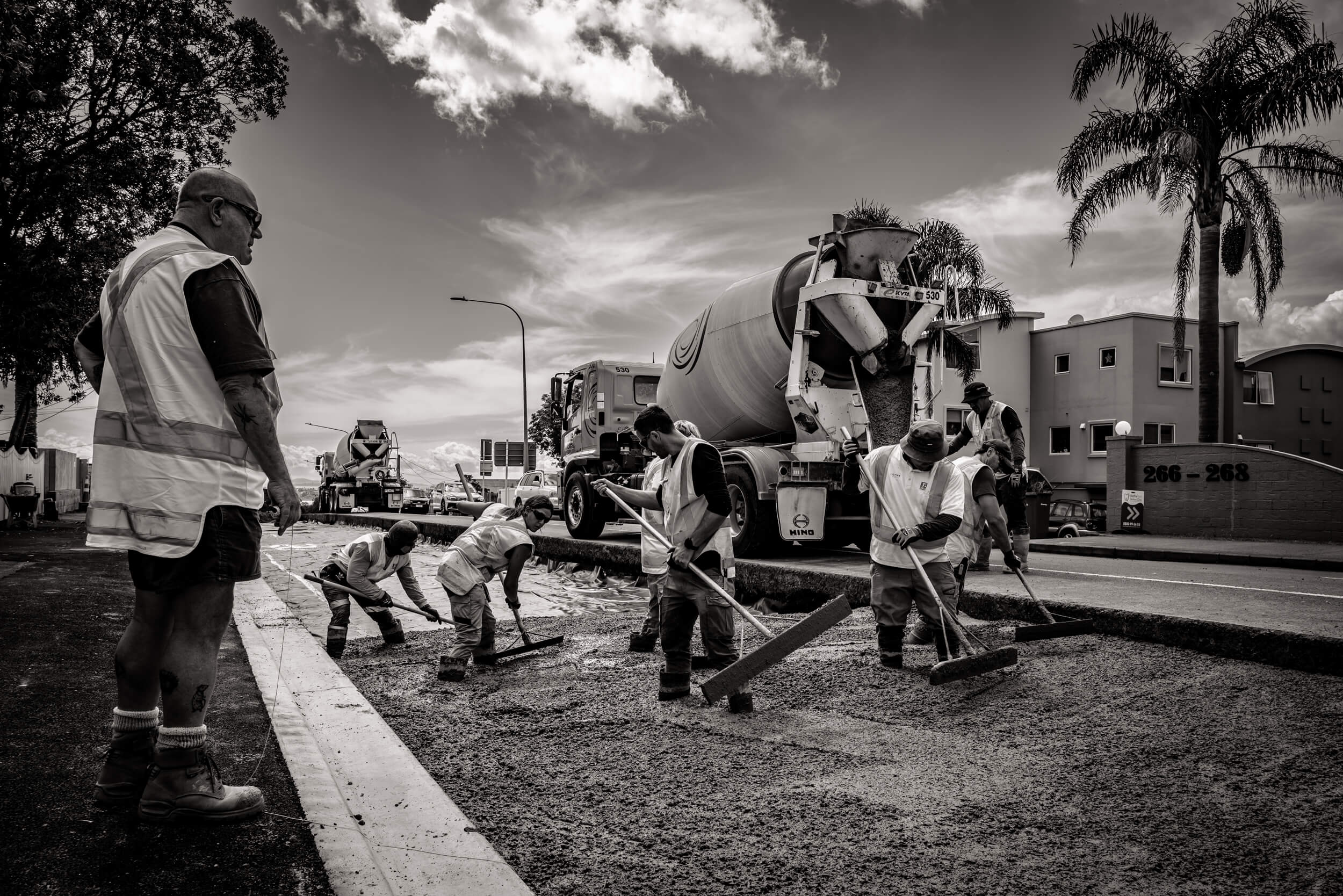
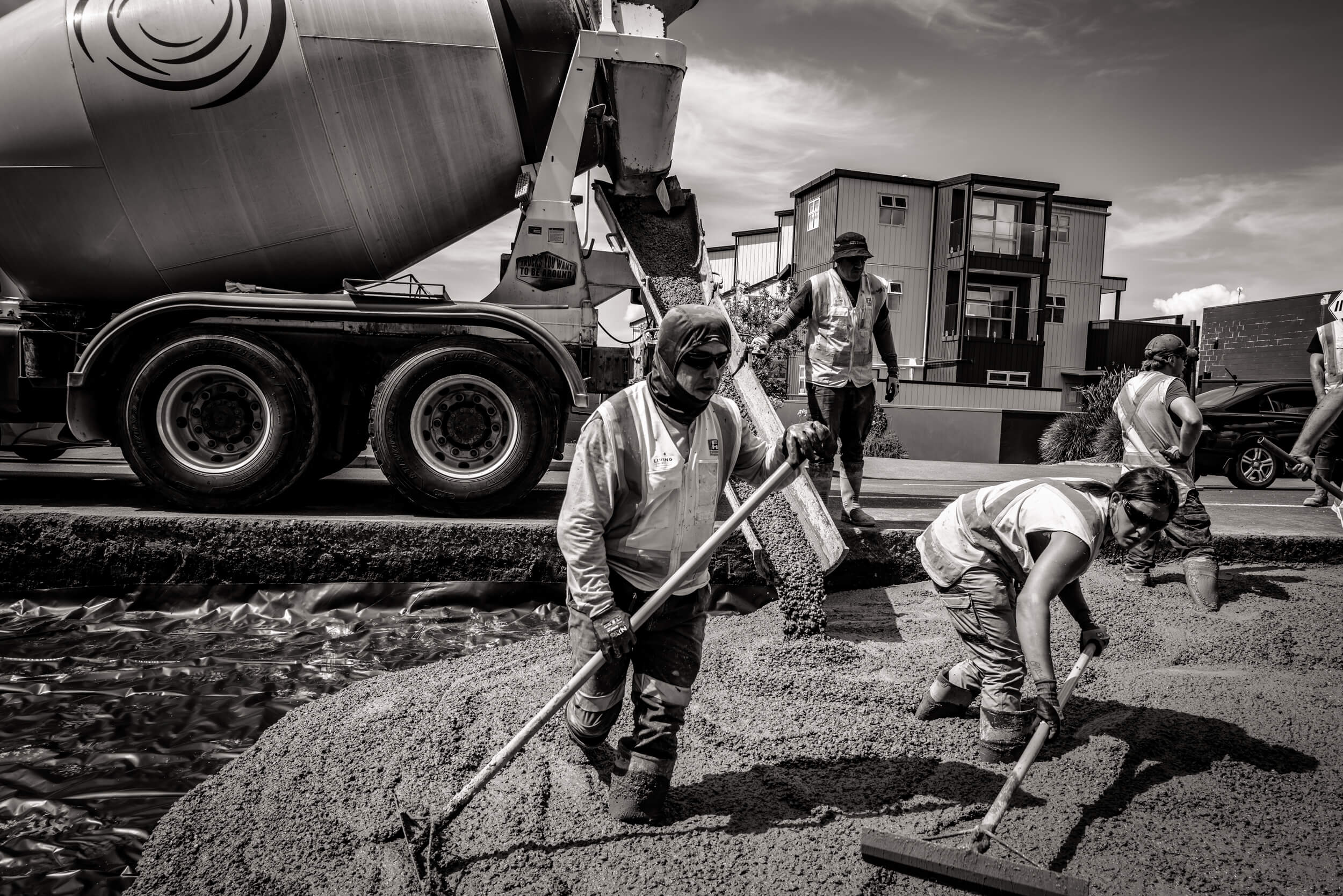
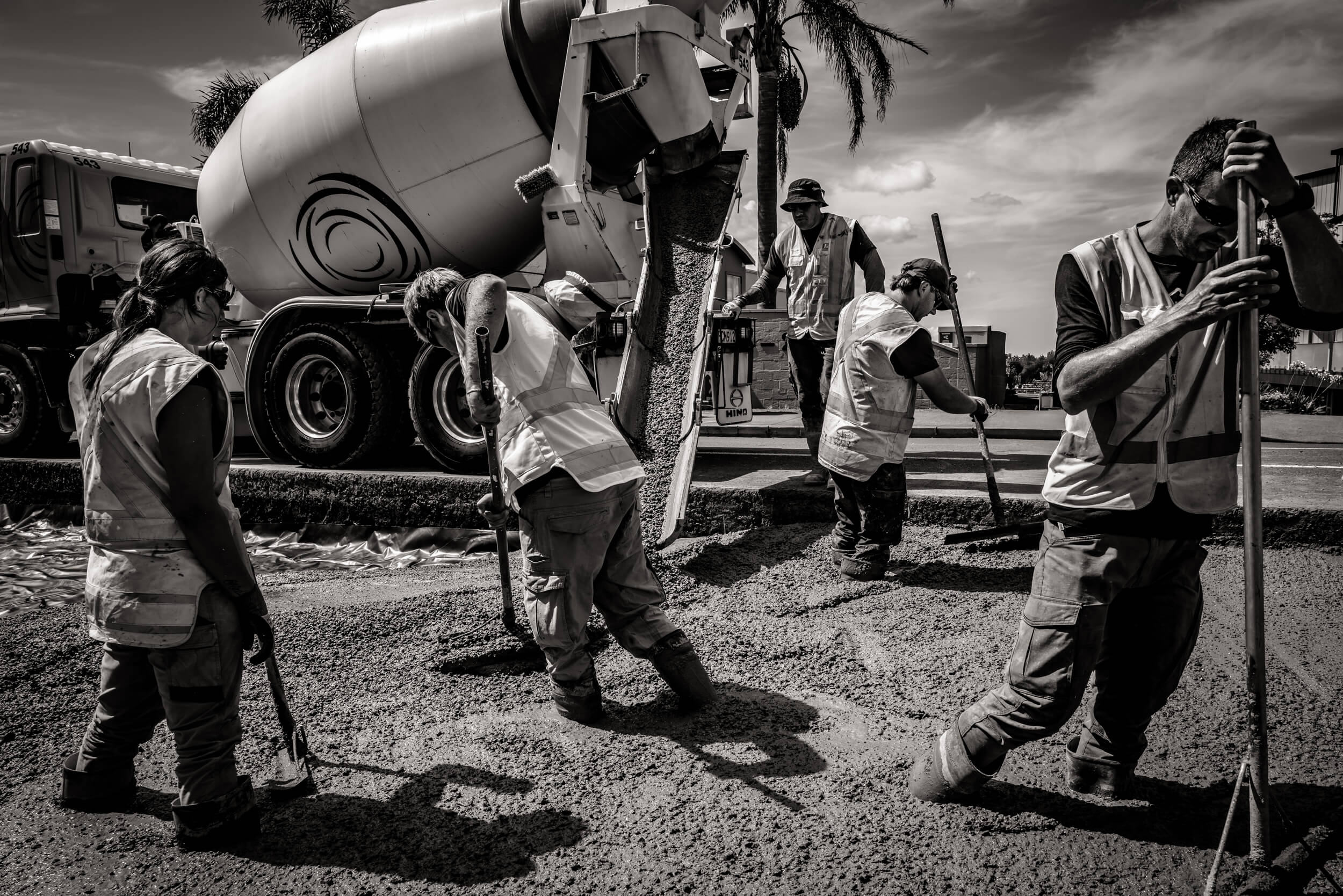
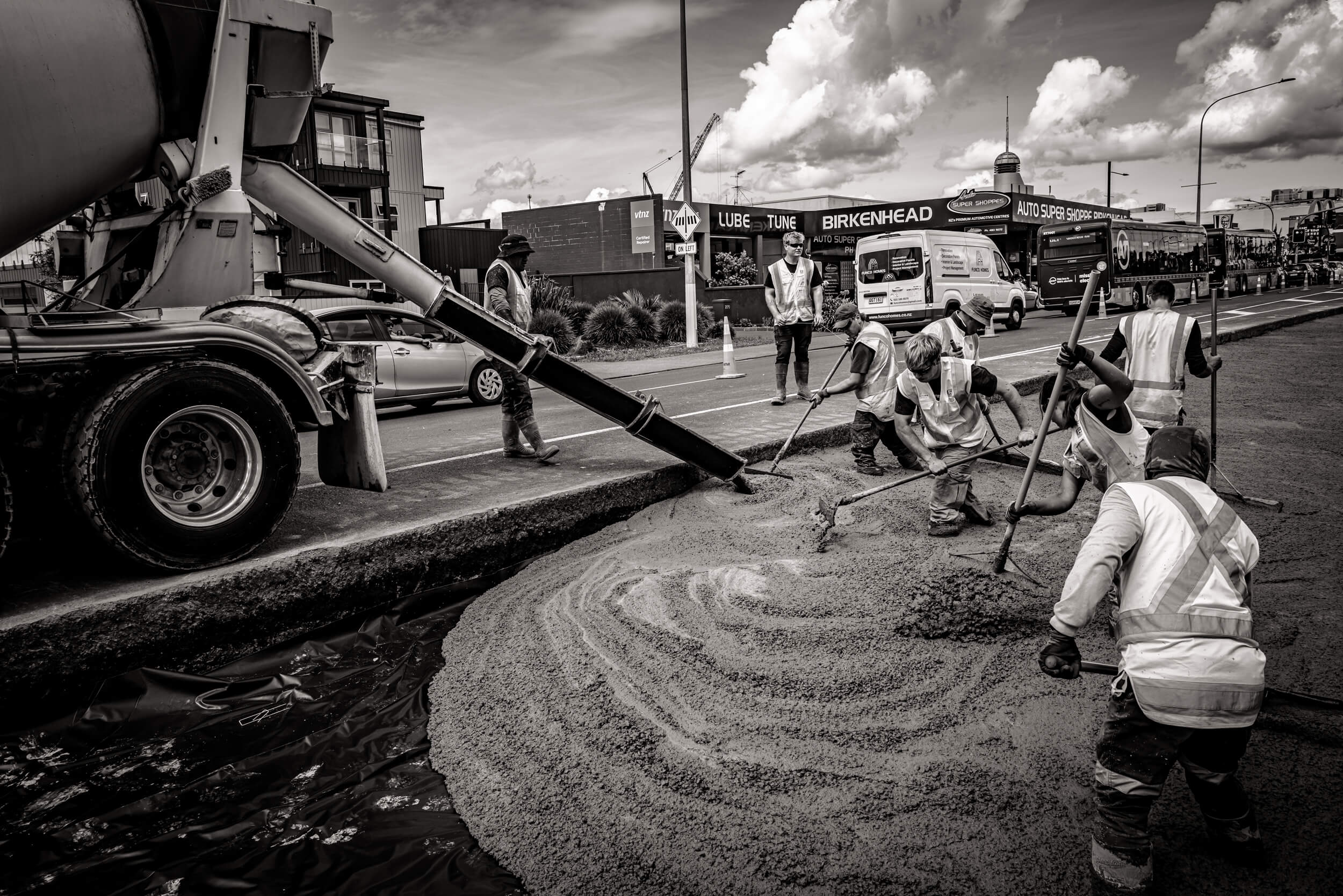
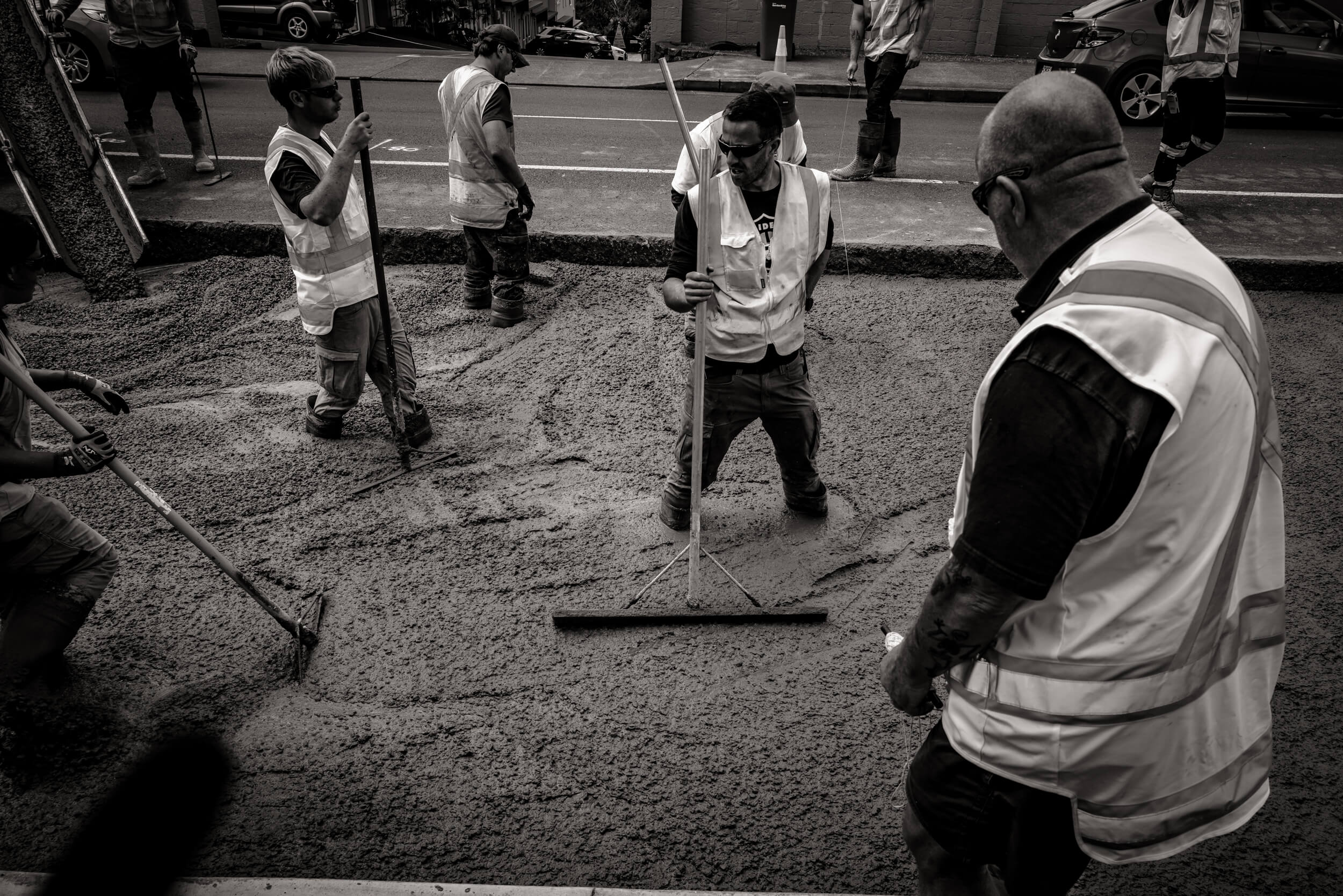
The earth is compacted, and a stable sub-base is laid using quarried gravel mixed with a small amount of cement and water. This creates a stiff foundation. Wet concrete is poured, reinforced with steel bars (rebar), and smoothed into panels by heavy slipform paving machines.
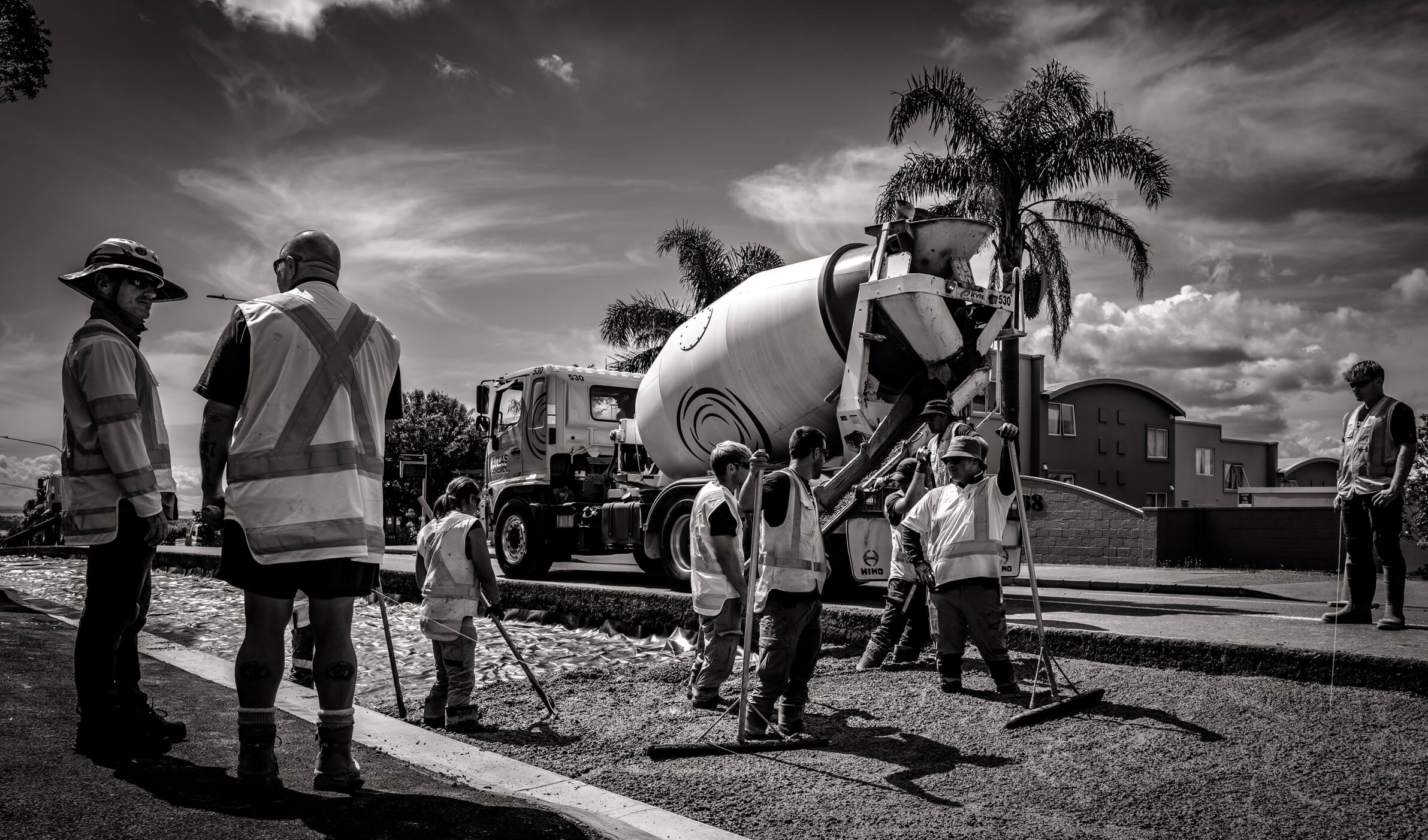
A flexible pavement is a road structure that bends and deflects under the weight of traffic, distributing the load down through layers of compacted stone and gravel. It stands in contrast to a “rigid” pavement (like concrete), which acts as a stiff slab to bridge over soft spots in the groundNew Zealand uses flexible pavements for over 90% of its road network because they are cheaper to build, highly resilient against earthquakes,
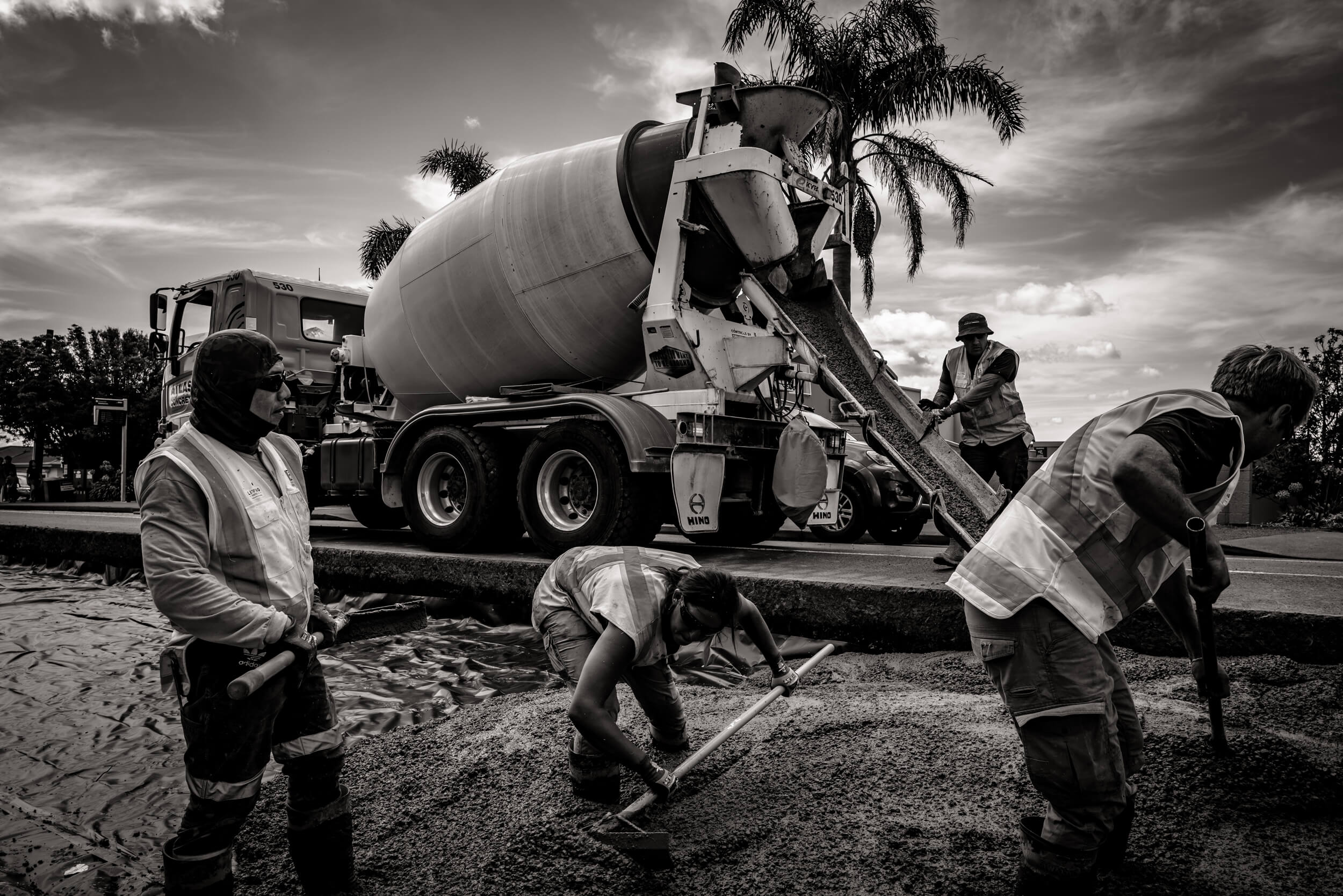
The foundation: Underlying layers of compacted gravel can last for many decades if they stay dry. The chipseal is the thin layer of bitumen and stones and is common on NZ highways. It must be resurfaced roughly every decade because UV light and weather make the bitumen brittle. Sweeping urban roads or motorways use thick asphalt. It lasts longer, about 10-20 years-, than chipseal and provides a smoother ride, but eventually develops ruts and cracks that require milling and replacing.